How to Effectively Resolve Conflicts in Condominiums
Discover effective mediation techniques to resolve conflicts in condominiums and enhance resident harmony.
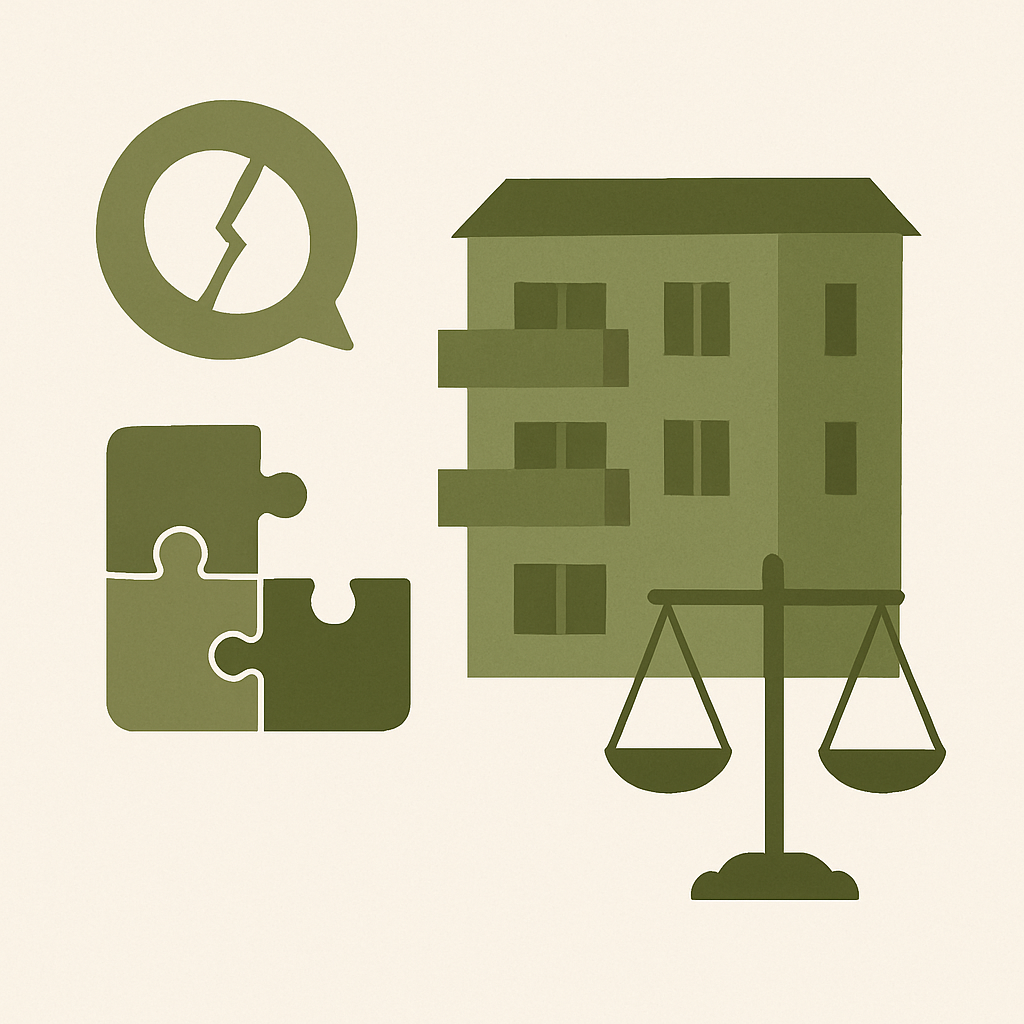
Living in a condominium can be complex due to the diversity of people and lifestyles. Conflicts are inevitable, but the key is to manage them properly to maintain harmony. Here, we explore some effective techniques for conflict resolution in condominiums.
Identifying the Causes of Conflict
The first step in conflict resolution is identifying the underlying causes. Conflicts can arise for various reasons, such as noise, use of common areas, or issues with maintenance fees.
- Excessive noise: One of the most common problems in condominiums. Ensure all residents are informed about the community rules and permitted hours for noisy activities.
- Use of common areas: Lack of clarity about the use and maintenance of these areas can lead to disputes.
- Delays in maintenance fees: This can cause tensions between residents who pay on time and those who do not.
The "Ley de Propiedad en Condominio" (Condominium Property Law) of each state in Mexico sets regulations that residents must follow, so it is important for everyone to be familiar with them to avoid misunderstandings.
Mediation Techniques
Mediation is a key tool for resolving conflicts in condominiums. This process involves a neutral mediator who helps the conflicting parties reach an agreement.
- Active listening: Allow each party to express their concerns without interruptions.
- Neutrality: The mediator must be impartial and not take sides in the conflict.
- Focus on common interests: Help parties identify shared interests, which can facilitate an amicable solution.
"Mediation not only resolves the current conflict but also teaches residents to communicate more effectively in the future."
In Mexico, the "Ley Federal de Protección de Datos Personales en Posesión de los Particulares" (Federal Law on the Protection of Personal Data Held by Private Parties) and the "Instituto Nacional de Transparencia, Acceso a la Información y Protección de Datos Personales" (National Institute for Transparency, Access to Information and Personal Data Protection) regulate the privacy of data that may arise during these processes.
Implementation of Regulations
One of the best ways to prevent conflicts is to have clear regulations and ensure their effective implementation. These should be known by all residents and include:
- Rules for the use of common areas.
- Policies on noise and events.
- Procedures for fee payments.
Ensure that the regulations align with local legislation, such as the "Ley de Propiedad en Condominio." Regularly update the regulations and communicate them effectively to all residents.
Training for Condominium Managers
Condominium managers play a crucial role in conflict resolution. Training in mediation and communication skills can significantly improve conflict management.
- Mediation skills: Training in mediation techniques to facilitate meetings and discussions.
- Effective communication: Learning to communicate clearly and effectively with residents.
By implementing these strategies, managers can handle conflicts more efficiently, improving the living environment in the condominium.
At habitaOne, we offer tools that facilitate communication and conflict management in condominiums, helping to create a more harmonious environment for all residents.
Tired of chasing late payments and managing fees by hand?
habitaOne automates it all: fees, access, assemblies, AI against delinquency. Try it free.